Issues
Where I Stand On The
Issues
Focused on the issues that matter to the District 68
-
Bike & Street Safety Plan for the 68th Assembly District
The 68th Assembly District needs a street safety plan that protects pedestrians, cyclists, seniors, children, NYCHA residents, bus riders, delivery workers, small businesses, and drivers. This is not about bikes versus cars. This is about making sure nobody has to risk their life crossing the street, riding to work, delivering food, walking to school, or getting to the East River Esplanade.
New York City already has a legal Streets Plan that calls for 250 miles of protected bike lanes, including at least 50 miles each year after the first year, plus safer intersections, bus improvements, and accessible pedestrian signals. The 68th District should get its fair share of that investment.
Priority connections should include:
North-south protected routes on major corridors like First Avenue, Second Avenue, Third Avenue, Park Avenue, Madison Avenue, and Lexington Avenue where feasible.
East-west safe crossings on streets like 96th, 106th, 110th, 116th, 125th, and 132nd.
Better bike access to the East River Esplanade, Randall’s Island, RFK Bridge, Willis Avenue Bridge, schools, parks, hospitals, NYCHA developments, and commercial corridors.
Upgrade painted bike lanes into physically protected lanes where crashes, speeding, double parking, or truck traffic make riding unsafe.Goal: No one should have to choose between riding in traffic or riding on the sidewalk
Fix the Most Dangerous Intersections First
Intersections are where many serious crashes happen. NYC DOT says over half of all traffic fatalities occur at intersections, and it has started using hardened daylighting to improve visibility between pedestrians, cyclists, and turning vehicles.
The district should demand:
Hardened daylighting near schools, senior centers, NYCHA campuses, parks, hospitals, and bus stops.
Curb extensions to shorten dangerous crossings.
Leading pedestrian intervals so people walking get a head start before turning vehicles.
Turn calming to slow cars and trucks before they hit the crosswalk.
Raised crosswalks near schools, playgrounds, senior housing, and high-crash blocks.
Better lighting, signage, and pavement markings at confusing intersections.Priority locations: Any intersection with repeated crashes, blocked visibility, speeding, heavy truck turns, or complaints from seniors and parents.
Create Safe Routes to Schools, Parks, NYCHA, and Senior Centers
Street safety must start where people are most vulnerable.
This plan would push for:
A Safe Routes to School audit for every school in the district.
Safer crossings around Thomas Jefferson Park, Marcus Garvey Park, Central Park entrances, Randall’s Island access points, and East River Esplanade connections.
Traffic calming around NYCHA developments, senior buildings, shelters, libraries, daycare centers, and community centers.
More school crossing guards and daylighting around schools.
Sidewalk repair and curb ramp upgrades for seniors, wheelchair users, parents with strollers, and people with mobility devices.NYC’s Vision Zero tools already include senior pedestrian zones, turn calming, leading pedestrian intervals, speed humps, and priority corridors; the district should use those tools aggressively where residents are most at risk.
Build a District Street Safety Task Force
The 68th District needs a regular table where residents can report problems and help shape solutions.
The task force should include:
Parents
Seniors
NYCHA residents
Disability advocates
Cyclists
Delivery workers
Small business owners
Bus riders
Schools
Community Board members
DOT, NYPD, MTA, and elected offices
The task force should meet quarterly to review:
Crash data
Bike lane blockages
Dangerous intersections
Sidewalk riding complaints
School safety concerns
Lighting and visibility issues
Needed bike parking locations
DOT project timelines -
Co-op & Condo Homeownership
Your home is not a business. It’s your stability.
Co-op and condo owners in East Harlem are working families, seniors, and long-time residents—not developers. HDFC cooperatives, in particular, were created to provide affordable homeownership and community control. But outdated laws and rising costs are putting that stability at risk. It’s time to fix the system so homeowners are treated like homeowners and residents have the power to preserve their communities.
The Problem
Co-op and condo owners are being taxed under systems designed for rental buildings, not owner-occupied homes. Property tax abatements expire without long-term stability, causing sudden cost increases. In mixed-use buildings, residential owners are often forced to absorb the tax burden of commercial spaces.
At the same time, many HDFC buildings face rising costs, limited access to financing, and unclear rules that threaten long-term affordability and resident control. Without stronger protections, we risk losing one of the most important pathways to affordable homeownership.
What I’ll Fight For
I will fight to pass a Co-op & Condo Homeowner Equity Act to legally redefine co-op and condo owners as homeowners—not commercial entities—so they are taxed fairly.
I will push to separate commercial and residential tax classifications in mixed-use buildings, ensuring homeowners are not burdened by commercial tax rates.
I will work to extend and stabilize property tax abatements, preventing sudden spikes when protections expire and creating long-term predictability for homeowners.
I will fight to strengthen and pass the HDFC Self-Determination, Preservation, and Affordability Act to protect resident control, expand access to financing for repairs, establish fair resale policies, and prevent predatory practices and outside speculation.
I will also support capital repair funding and financing tools to help co-op, condo, and HDFC buildings maintain safe, stable conditions without passing excessive costs onto residents.
And I will fight for long-term protections that keep these homes affordable and accessible for working families.
What It Means for East Harlem
This means fair taxes for homeowners, predictable costs, and protection from being priced out. It means stronger, more stable buildings and preserved affordability for co-op, condo, and HDFC residents.
It means protecting homeownership as a pathway to stability and generational wealth in our community.
-
Submetering & Utility Justice
Across our district and across New York State, residents are raising serious concerns about submetering, rising electric bills, and unfair utility charges.
Families have come forward saying their electric bills jumped from around $290 a month to as much as $600 a month. That is not a small increase. That is the difference between buying groceries, paying rent, covering medication, or keeping up with other household needs.
Submetering can be legal in New York when approved and properly regulated. But when residents are overcharged, denied clear billing information, ignored when they complain, or left without real oversight, it becomes a serious tenant protection issue.
New Yorkers deserve fair bills, clear answers, and accountability.
What Is Submetering?
Submetering happens when a building owner, management company, or third-party billing company measures electricity use for individual apartments instead of each household being billed directly by the utility company.
In theory, submetering is supposed to help residents understand and control their energy use. But in practice, many tenants say they are receiving bills they do not understand, charges they cannot verify, and increases they cannot afford.
The New York State Department of Public Service says residents who believe their submetered electric bill is inaccurate can file a complaint if they are unable to resolve the issue with their utility provider or submeterer.
Tamika Mapp’s Solutions to Combat Submetering Fraud and Abuse
As your next New York State Assemblymember, I will fight for real oversight, real transparency, and real consequences when tenants are overcharged.
Require Independent Audits of Submetered Buildings
Buildings with repeated complaints should be required to undergo an independent audit of their submetering system, billing practices, and rate calculations.
Residents should not have to prove abuse one household at a time while the same problems continue building-wide.
Create Clear Monthly Billing Standards
Every submetered electric bill should clearly show:
Monthly usage
Rate charged
Administrative fees
Prior month comparison
Building-level utility information
Contact information for disputes
Information on how to file a complaint with the stateNo tenant should need a lawyer, engineer, or accountant to understand their electric bill.
Cap Abusive Fees and Hidden Charges
Submetering should not become a profit center for landlords, management companies, or third-party billing vendors.
I will support legislation to review and restrict excessive administrative fees, unexplained charges, and billing practices that drive up costs for residents.
Strengthen the Complaint Process
Tenants need a faster and easier way to report submetering problems.
I will fight for:
A statewide submetering complaint hotline
Faster response timelines
Language-accessible complaint forms
Public tracking of complaints by building
Stronger enforcement when complaints reveal patternsA complaint process only works if residents can actually use it.
Require Refunds When Residents Are Overcharged
If a building or billing company overcharges tenants, residents should not just receive an apology.
They should receive their money back.
I will push for stronger refund requirements, penalties, and enforcement when overbilling is found.
Protect Seniors, Families, and Fixed-Income Residents
Submetering abuse hurts everyone, but it is especially dangerous for seniors, people with disabilities, families with children, and residents living on fixed incomes.
No resident should lose housing stability because of an electric bill they cannot understand or challenge.
Increase State Oversight of Submetering Companies
Third-party billing companies must be held accountable.
I will push for stronger oversight of companies that calculate, send, and collect submetered bills. If they are handling essential utility billing, they must follow strict consumer protection rules.
Create a Public Submetering Transparency Dashboard
New Yorkers should be able to look up whether a building is submetered, who manages the billing, whether complaints have been filed, and whether enforcement action has been taken.
Transparency protects tenants.
-
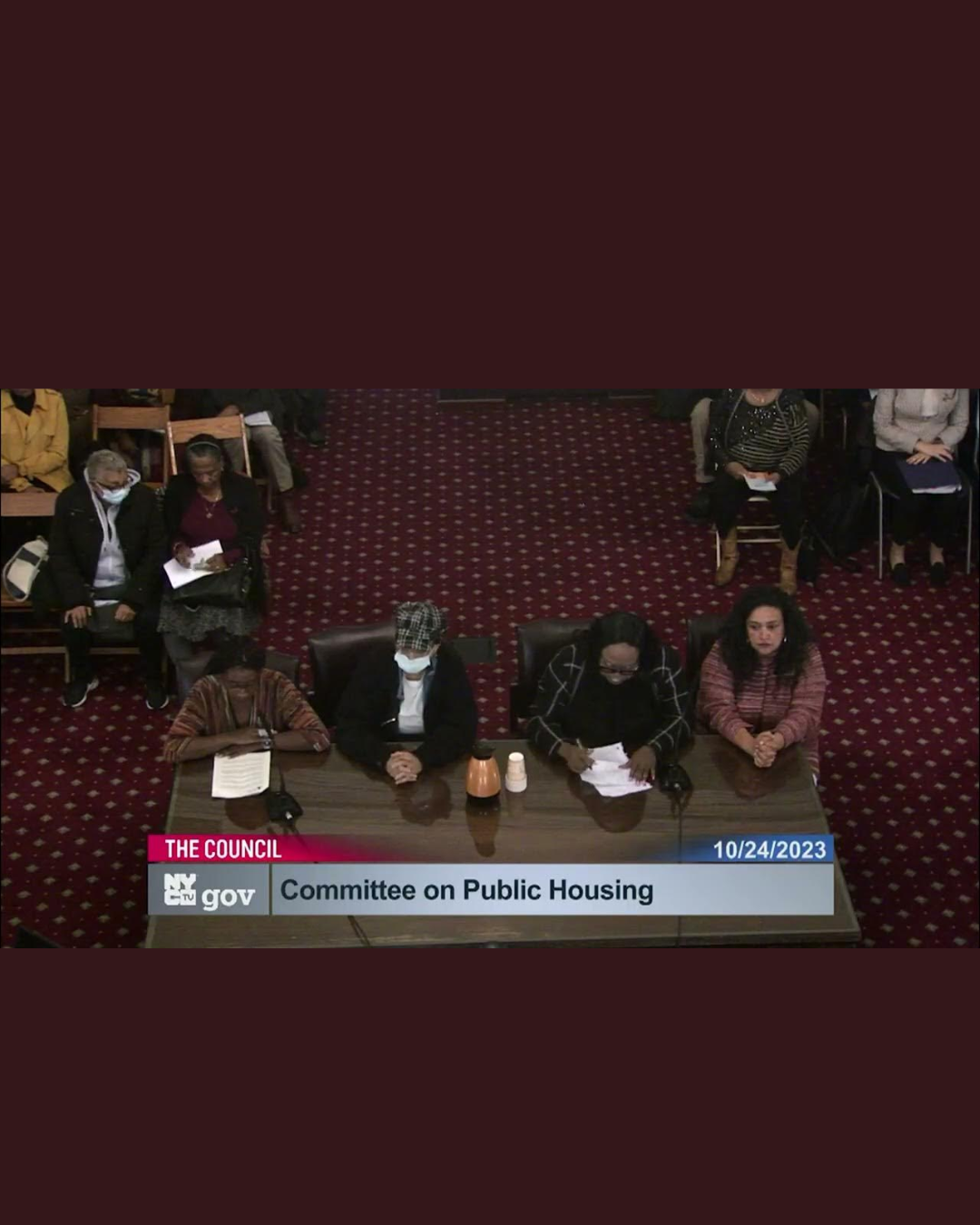
SAVE NYCHA – KEEP SECTION 9 PUBLIC
Public housing must stay public.
NYCHA residents deserve safe, dignified housing—not broken systems and backroom deals that threaten the future of public housing. Public housing is a lifeline for thousands of families in East Harlem, and it must be protected, fully funded, and accountable to the people who live there.
The Problem
Residents are living with broken elevators, mold, heat outages, and long delays for repairs. At the same time, privatization programs like RAD/PACT and the Trust are putting public housing at risk—shifting control away from residents and raising concerns about long-term affordability and displacement. Decades of underfunding have created a crisis that tenants are forced to live through every day.
What I’ll Fight For
I will fight to fully fund public housing through dedicated, sustainable revenue— including leveraging funds like the Stock Transfer Tax to invest directly into NYCHA. I will push for a comprehensive capital repair plan that addresses long-standing infrastructure issues, from elevators to heating systems to mold remediation.
I will work to preserve Section 9 public housing and stop the quiet erosion of public control through privatization schemes. Residents must have a real voice in decisions impacting their homes, which is why I will support a moratorium on all RAD/PACT and The Trust programs.
I will also push for rapid-response repair teams to address urgent issues quickly and ensure that basic living conditions are met without delay.
What It Means for East Harlem
This means working elevators, reliable heat in the winter, and mold-free apartments. It means residents are no longer ignored when repairs are needed, and families are protected from displacement.
It means public housing that is safe, stable, and truly public—serving the people it was built for.
-
Mitchell-Lama Preservation & Affordability
Preserve affordability. Reinvest in our future. Protect our residents.
Mitchell-Lama housing has been one of the strongest pathways to affordable homeownership and rental stability in New York. But today, aging buildings, expiring affordability agreements, and the lack of reinvestment are putting that legacy at risk. We must not only preserve Mitchell-Lama—we must strengthen it and create real pathways to long-term stability and resident control.
The Problem
Many Mitchell-Lama buildings are aging and in need of major repairs but lack the resources to address them. At the same time, buildings are leaving the program as affordability agreements expire, putting residents at risk of rising costs and displacement.
Residents often have limited control over decisions that impact their homes, and when buildings fall into distress, tenants are left without clear pathways to stability, ownership, or accountability.
What I’ll Fight For
I will fight to modernize and fully reinvest in Mitchell-Lama housing, including dedicated capital funding for critical repairs like roofs, boilers, elevators, and infrastructure.
I will push to bring Mitchell-Lama buildings with expired affordability agreements back into the program, restoring long-term affordability and stability for residents.
I will support stronger succession rights and equity protections so families can remain in their homes across generations.
I will also fight to expand tenant protections within Mitchell-Lama buildings, ensuring residents are protected from neglect, poor management, and lack of transparency.
I will create clear pathways for tenant stability and control, including strengthening connections to programs like Tenant Interim Lease (TIL) and cooperative conversion models when buildings face distress or mismanagement.
And I will ensure accountability for building owners and managing entities, with enforceable standards for maintenance, transparency, and resident engagement—because affordability without accountability is not stability.
What It Means for East Harlem
This means safe, well-maintained buildings and long-term affordability that residents can rely on. It means families are not forced out when agreements expire or conditions decline.
It also means residents have real pathways to stability and, when needed, the ability to transition toward greater control of their housing.
It means preserving Mitchell-Lama not just as a program—but as a promise to the community.
-
Rent-Stabilization & Tenant Protections
Tenants deserve stability, protection, and the right to stay in their homes.
Renters are the backbone of East Harlem. Families, seniors, and working people rely on rent-stabilized housing to remain in the communities they built. But too many tenants are forced to fight for basic living conditions. Housing stability should not be a fight—it should be a guarantee.
The Problem
Tenants are facing rising rents, illegal increases, and pressure to leave their homes. Landlord harassment, neglect, and delayed repairs continue to push families out. Too many buildings operate with repeated violations and little accountability. At the same time, corporate landlords hide behind LLCs, and units sit vacant while families struggle to find housing.
What I’ll Fight For
I will fight to protect and strengthen rent-stabilized housing by closing loopholes and preserving long-term affordability.
I will pass a Tenant Right to Repair law, allowing tenants to fix serious conditions like mold, leaks, and heat outages—and deduct the cost from rent when landlords fail to act.
I will push for automatic rent reductions when serious violations exist, ensuring landlords cannot collect full rent while failing to provide safe living conditions.
I will create a Bad Landlord Public Registry, increasing transparency and holding repeat offenders accountable.
I will fight for a Tenant Opportunity to Purchase Act (TOPA), giving tenants the first right to buy their building and create co-ops, HDFCs, or community ownership models.
I will crack down on warehousing by passing strong vacancy penalties for landlords who keep units empty to drive up rents.
I will hold corporate landlords accountable by requiring full ownership transparency, ensuring they cannot hide behind LLCs to avoid responsibility.
I will expand legal protections for tenants, guaranteeing access to legal support in housing disputes and harassment cases.
And I will ensure tenants are compensated when forced to live in unsafe conditions—because landlords should not profit from neglect.
What It Means for East Harlem
This means tenants no longer have to wait months for repairs or fight alone against neglect. It means safer, well-maintained buildings, fewer vacant units, and real accountability for bad landlords.
It means tenants have power—not just promises—and real protection from displacement.
-
ENVIRONMENTAL & WATERFRONT JUSTICE
East Harlem deserves environmental justice that is not just promised, but felt in daily life. Our families should not have to live with high asthma rates, heavy truck traffic, unsafe park conditions, heat-trapping streets, and limited access to the waterfront. Environmental justice means cleaner air, healthier homes, safer public spaces, real access to the East River Esplanade and Harlem River waterfront, and accountability for neighborhoods that have carried too much pollution for too long.
The Problem
East Harlem faces high asthma rates, diesel truck traffic, heat-trapping streets, aging infrastructure, and too little safe, welcoming access to the East River Esplanade and Harlem River waterfront. Too often, working-class communities and NYCHA residents are asked to live with environmental burdens that wealthier neighborhoods would never accept.
What I’ll Fight For
I will fight to reform truck routes and push for cleaner, zero-emission freight in overburdened neighborhoods. I support stronger enforcement of environmental justice protections so East Harlem is not forced to absorb more pollution.
I will push for green infrastructure investments, including tree canopy, stormwater improvements, cooling solutions in heat-vulnerable areas, and repairs that make our parks and open spaces safer and more usable.
I will fight for air quality monitoring and environmental health accountability in NYCHA, stronger clean-air protections for schools, and expanded public access to the East River Esplanade and Harlem River waterfront so these spaces truly belong to the community — not just in name, but in everyday use.
What It Means for East Harlem
This means cleaner air, lower asthma risks, healthier homes for NYCHA families, safer and more usable parks, cooler blocks in the summer, and a waterfront our children, seniors, and families can actually enjoy.
Environmental justice must be enforced, funded, and centered on the people who live here. East Harlem deserves clean air, safe parks, and real access to the East River Esplanade, Harlem River waterfront, and every public space our community has been promised.
-
SMALL BUSINESSES FIRST — NOT BIG CORPORATIONS
Our bodegas, barbershops, beauty salons, childcare providers, food carts, and family restaurants are lifelines—not just businesses.
They stay open late. They feed our families. They watch our children walk home. They keep our neighborhoods alive.
But too often, City Hall and Albany treat them like corporations—burying them in fines, fees, and regulations that ignore the reality of running a neighborhood business. That has to change. Supporting small businesses means protecting the heart of our community.
The Problem
Small businesses in East Harlem are being crushed by excessive fines, aggressive inspections, rising rents, high swipe fees, and complex licensing requirements. Retail workers face safety concerns, while bodegas struggle to provide fresh food due to high costs and limited support. Instead of being uplifted, neighborhood businesses are often treated like revenue sources rather than community anchors.
What I’ll Fight For
I will fight to end predatory fines and fee structures that force small businesses to close. That includes replacing first-time violations with warnings and compliance support, capping excessive penalties, and ensuring fair payment plans before fines escalate.
I will push to protect our bodegas and neighborhood businesses by investing in safety measures like panic buttons and security cameras, strengthening protections for retail workers, and creating rapid-response support for businesses facing repeated theft.
I will work to address swipe fee abuse by pushing for caps on excessive fees, requiring transparency, and protecting the right of small businesses to offer cash discounts.
I will fight to streamline licensing by eliminating duplicative permits, simplifying requirements, and ensuring business owners receive compliance education before penalties.
I will also push to lower operating costs by supporting commercial rent fairness, expanding tax credits, providing energy cost relief, and protecting legacy businesses from displacement.
And I will invest in healthy food access by supporting bodegas with refrigeration grants, incentives for fresh produce, partnerships with local distributors, and expanded SNAP and WIC access.
What It Means for East Harlem
This means small businesses can stay open, grow, and continue serving our community. It means safer workplaces for retail workers, fairer rules for business owners, and real support instead of punishment. It means preserving the neighborhood institutions that keep East Harlem connected, fed, and thriving.
-
YOUTH CIVIC POWER
If you’re old enough to work, you’re old enough to lead.
Young people in East Harlem are not the future—they are the present. But too often, they are left out of decisions that directly impact their lives. Real leadership means investing in youth voices now, building pathways to civic engagement, and ensuring they are seen, heard, and respected.
The Problem
Youth voter turnout remains low, and too many young people lack access to meaningful civic education. Many feel disconnected from government and unheard in the decisions shaping their schools, neighborhoods, and future. Without intentional investment, we risk leaving an entire generation behind.
What I’ll Fight For
I will fight to expand youth civic engagement by supporting automatic voter pre-registration at 16 so young people are ready to participate as soon as they are eligible. I will push for paid civic internships to give youth real-world experience in government, advocacy, and community leadership.
I will establish a 68th Assembly District Youth Advisory Council to ensure young people have a direct voice in shaping policies and priorities. I will also work to expand civic education in schools so students understand how government works and how to use their voice effectively.
What It Means for East Harlem
This means young people actively shaping their future, higher youth voter turnout, and strong leadership pipelines coming directly from East Harlem. It means a generation that is informed, engaged, and ready to lead.
-
FOOD JUSTICE & HEALTHY CORRIDORS
No more food deserts.
Every family in East Harlem deserves access to fresh, affordable, and healthy food. No one should have to travel far, pay more, or settle for less when it comes to feeding their family. Food access is not a luxury—it’s a basic right tied to health, dignity, and opportunity.
The Problem
Too many neighborhoods lack full-service grocery stores, leaving families with limited options and higher prices. This leads to serious health disparities, including higher rates of diabetes, heart disease, and other diet-related illnesses. At the same time, emergency food systems like pantries and mutual aid networks are under-resourced despite being essential lifelines for many families.
What I’ll Fight For
I will fight to bring more supermarkets and fresh food retailers into underserved areas by creating real incentives that make it viable for them to operate in our community. I will support urban agriculture by investing in community gardens and local growing initiatives that keep food production close to home.
I will push to expand programs like SNAP by supporting policies that double benefits at local markets, making healthy food more affordable for families. I will strengthen healthy corner store initiatives by providing grants, refrigeration support, and partnerships that allow bodegas to stock fresh produce and nutritious options.
I will also advance Food as Medicine programs, connecting healthcare providers with nutrition support so families can access healthy food as part of their care—helping prevent and manage chronic illness.
I will support mobile food pantries to reach seniors, NYCHA residents, and families with limited mobility, and invest in mutual aid networks that are already doing the work on the ground—ensuring they have the funding and infrastructure to serve our community consistently and with dignity.
What It Means for East Harlem
This means fresh, healthy food within walking distance, lower grocery bills, and stronger support systems for families facing food insecurity. It means better health outcomes, reduced chronic illness, and a community where no one is left behind when it comes to access to food.
-
MENTAL HEALTH & COMMUNITY SAFETY
Care, accountability, and safe streets.
East Harlem deserves to feel safe—not just through enforcement, but through real care, prevention, and accountability. Public safety means addressing the root causes of harm while ensuring our streets, parks, and public spaces are safe for everyone.
The Problem
Prevention programs have been cut, leaving gaps in support for young people and families. Untreated trauma and lack of mental health access continue to fuel cycles of crisis. At the same time, open-air drug use in public spaces has impacted safety, quality of life, and the well-being of residents, especially children and seniors. Too many programs operate without clear outcomes, leaving communities without real improvement.
What I’ll Fight For
I will fight to end open-air drug use through a coordinated approach that combines enforcement with real access to treatment and recovery services. We must restore prevention and diversion programs so people get help before they enter the justice system.
I will push for crisis intervention teams that respond to mental health emergencies with trained professionals, not just law enforcement. I will support peer-to-peer counselor certification to expand community-based support and ensure people can access help from those who understand their experiences.
I will work to place more mental health providers directly in schools and expand after-school therapeutic programs to support youth early. I will also push for wraparound services wherever harm reduction programs operate, ensuring that support goes beyond immediate intervention.
And I will enforce real accountability: programs must demonstrate that they are reducing harm, improving safety, and saving lives. If programs fail to meet those standards, they must be restructured—or shut down—and replaced with solutions that actually work for the community.
What It Means for East Harlem
This means children can walk to school safely, families receive support before crises escalate, and our parks and sidewalks are clean and usable. It means fewer overdoses, stronger mental health support, and real accountability for programs meant to serve our community.
It means a neighborhood that is safe, supported, and healthy—where care replaces chaos, ineffective systems are no longer tolerated, and public drug use is no longer normalized.
-
JOBS & ECONOMIC POWER
Work that pays. Businesses that stay.
East Harlem deserves an economy that works for the people who live here. Too many residents are locked out of good-paying jobs while developments rise around them without creating real opportunity. Economic justice means making sure our residents are hired, our businesses are supported, and our community builds wealth—not just survives.
The Problem
Too many residents are unemployed or underemployed, while small businesses continue to close under financial pressure. Families are struggling to keep up with rising costs, and too often, jobs created in our neighborhoods do not go to the people who live here. Barriers to training, entrepreneurship, and access to capital continue to hold our community back.
What I’ll Fight For
I will fight to pass a Local Hire First standard for state-funded projects so that jobs created in our community go to East Harlem residents first. I will expand access to union apprenticeship programs and workforce pipelines so residents can access stable, career-track employment—not just temporary work.
I will push for a state-funded entrepreneurship incubator in East Harlem to support small business owners and startups with training, mentorship, and access to capital. I will also support an At-Home Business Office Initiative that provides grants and tax credits to help residents build businesses from home.
I will push for three-year tax relief for small businesses to give neighborhood businesses the stability they need to survive, grow, and reinvest in our community. I will also work to create tax incentives for businesses that hire locally and expand MWBE (Minority- and Women-Owned Business Enterprise) access so neighborhood contractors have a fair shot at state and city contracts.
What It Means for East Harlem
This means real career jobs with benefits and long-term stability—not just temporary gigs. It means parents and residents can build businesses from home with real support. It means small businesses have the breathing room to stay open and grow.
It means public investment creates public opportunity, and wealth generated in East Harlem stays in East Harlem—creating a real pathway to the middle class for every resident.
-
STRONGER SCHOOLS & AFTER-SCHOOL
Every child. Every block. Every day.
Our children deserve schools and support systems that reflect the reality of their lives. That means strong classrooms, real mental health support, and safe, reliable care before and after school. Families should not have to struggle to find support while trying to work and raise their children.
The Problem
Classrooms are overcrowded, and too many schools lack enough counselors and mental health professionals. After-school programs are limited or inconsistent, leaving working families without reliable options. Children facing real-world challenges—like housing instability and trauma—are not receiving the level of support they need. At the same time, decisions about our schools are often made without meaningful input from parents and communities.
What I’ll Fight For
I will fight for living wages for paraprofessionals and family childcare providers, recognizing the essential role they play in supporting our children and working families. I will push to **increase Foundation Aid for students facing real-world challenges—from 0.65 to 3.20—**so schools have the resources to support children experiencing homelessness, foster care placement, and other barriers to learning.
I will fight to expand before- and after-school programming starting at 2K, ensuring families have safe, reliable care from early childhood through high school. I will also push for guaranteed after-school access from 3K–12 so no child is left without support.
I will work to end mayoral control and restore real community and parent voice in our school system. I will expand peer-to-peer mental health programs and ensure licensed mental health providers are available in every school. I will also support career pathway programs in middle and high school so students can connect education to real opportunities.
What It Means for East Harlem
This means parents have a real voice in their children’s education, and working families have reliable support every day. It means safe, structured environments for children before and after school, stronger mental health support, and schools that are equipped to meet the real needs of students.
It means better outcomes for our children—from safety to graduation to long-term success.